Table of contents
Step into a world where warmth meets flavor by exploring the charm of cozy and casual dining combined with authentic Italian cuisine. Uncover what makes Italian meals so inviting, from rustic interiors to the comfort of traditional recipes. Let the journey ahead inspire your next dining experience, revealing how the spirit of Italy transforms every meal into a memorable gathering.
The atmosphere of Italian dining
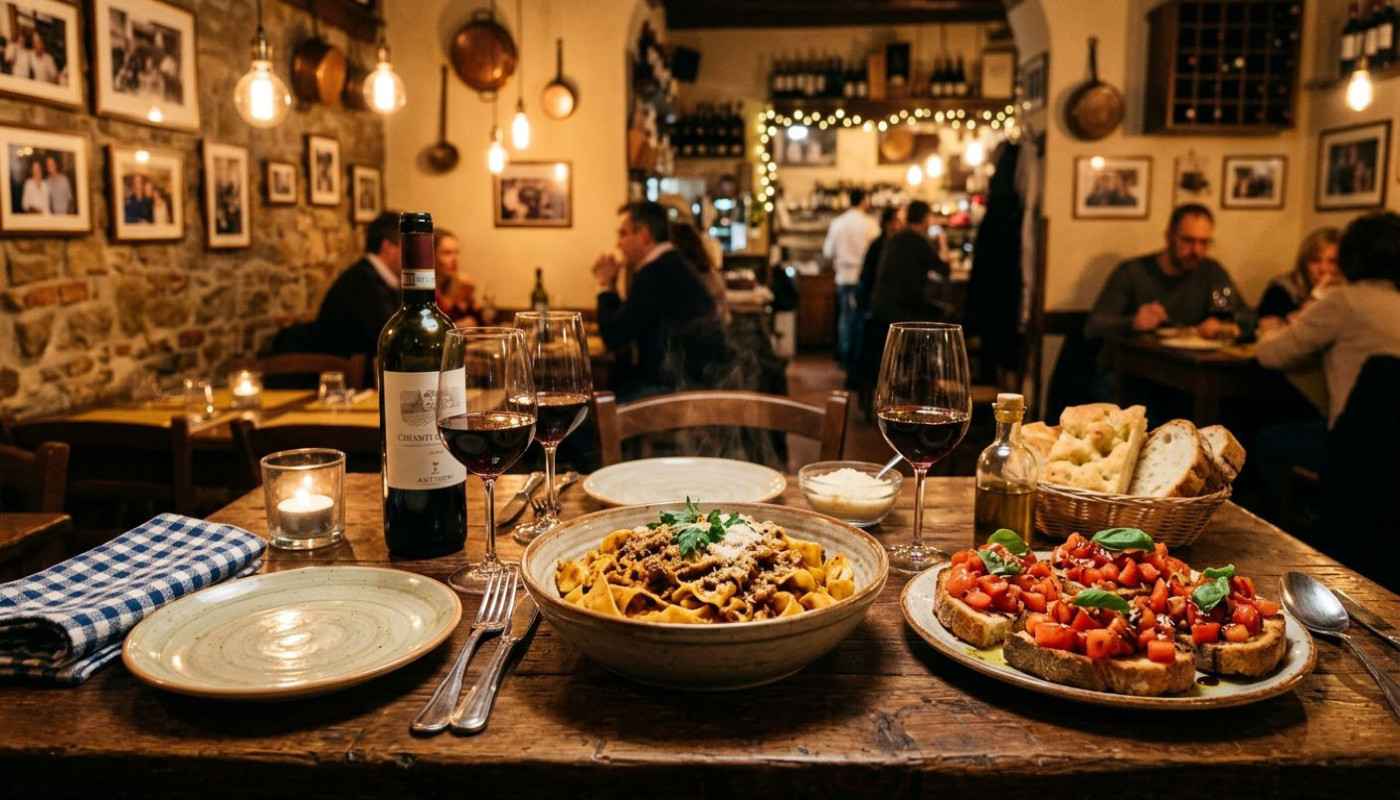
A cozy Italian restaurant is renowned for its inviting and laid-back setting, where casual dining blends effortlessly with a distinct Italian ambiance. The front-of-house design plays a pivotal role, strategically arranging tables and seating to encourage intimate conversations while allowing for a communal feel. Soft, golden lighting paired with rustic decor—think exposed brick walls, wooden beams, and vintage wine racks—creates a warm, welcoming atmosphere that immediately puts guests at ease. These carefully chosen elements work together to evoke the comforting charm of an Italian home, making patrons feel as though they are part of a close-knit family gathering.
The welcoming atmosphere extends beyond physical aesthetics, as attentive staff and the gentle hum of conversation contribute to the overall sense of belonging. From the moment diners step through the door, the balance of elegance and simplicity in the decor, combined with thoughtful front-of-house design, encourages relaxation and enjoyment. In this environment, guests can fully immerse themselves in the pleasures of authentic Italian cuisine, making every meal not just a dining experience, but a cherished memory within a truly cozy Italian restaurant.
The heart of Italian cuisine
Authentic Italian cuisine is deeply rooted in a rich culinary tradition that values both heritage and simplicity. The foundation of this food culture lies in the use of fresh ingredients such as ripe tomatoes, aromatic basil, rich olive oil, and locally sourced cheeses. Traditional recipes, often handed down through generations, are carefully preserved in the kitchens of genuine Italian establishments. Homemade pasta stands as a hallmark of this dedication, with skilled hands crafting each strand using time-honored techniques that bring out unique textures and flavors. The attention to detail and respect for classic preparations, like slow-simmered ragù or perfectly balanced risotto, ensure each dish remains true to its origins.
In authentic Italian cuisine, the experience extends beyond the plate to embrace the warmth of family and community. Diners are drawn to restaurants that honor these culinary traditions, seeking the comfort of dishes that reflect a true Italian food culture. The preservation of authenticity in every dish guarantees that guests enjoy not just a meal, but a connection to Italian heritage. For those who appreciate quality, the commitment to fresh ingredients and the mastery of traditional recipes creates a dining atmosphere where authenticity is celebrated and every bite tells a story.
The social side of Italian meals
The Italian dining experience is celebrated for its inherently social atmosphere, where communal dining takes center stage. Meals are often enjoyed at long, bustling tables, inviting guests to engage in lively conversation and share plates filled with a diverse array of traditional dishes. This practice, known in technical terms as table d'hôte, encourages guests to connect over food, breaking down social barriers and creating a warm, inviting setting. Family-style meals not only ensure that everyone samples a variety of flavors but also foster bonds between diners as they pass dishes and recount stories, making every gathering memorable.
Shared plates are a cornerstone of authentic Italian cuisine, transforming each meal into a collaborative event. From antipasti platters to generous bowls of pasta, the act of sharing enhances not just the taste but the enjoyment of every dish. Communal tables further embody this spirit by bringing together friends and strangers alike in an inclusive environment, a hallmark noted by many Italian hospitality experts. The emphasis on togetherness and open conversation makes the Italian dining experience unique, emphasizing relationships as much as the food itself.
Such a setting is mirrored in renowned restaurants around the world, where the focus is not just on what is served but on how it is enjoyed. Establishments like Gigi Bangkok, for example, replicate this inviting ambiance, offering guests an opportunity to immerse themselves in the conviviality of Italian dining traditions. These venues embrace the concept of communal dining, ensuring that every visitor feels like part of an extended family, regardless of background or familiarity with Italian culture.
Incorporating the principles of family-style meals and table d'hôte into everyday dining can transform simple meals into vibrant social occasions. Guests who participate in these settings often leave with deeper connections and lasting memories, proving that the power of food extends far beyond the plate. The social fabric woven through Italian dining is a testament to the enduring value of sharing not just food, but experiences, making each meal a celebration of togetherness.
Signature dishes to savor
An authentic Italian menu in a cozy, casual eatery often reveals a treasure trove of Italian signature dishes deeply rooted in regional gastronomy. Beyond well-known classics like spaghetti carbonara or margherita pizza, guests are invited to explore lesser-known comfort food that embodies the heart of classic Italian food. For example, ossobuco alla Milanese, slowly braised veal shanks served with rich saffron-infused risotto, highlights both the technical artistry and historical traditions of Lombardy. In the southern regions, dishes such as parmigiana di melanzane – delicate layers of eggplant, tomato sauce, mozzarella, and Parmigiano-Reggiano – evoke the warmth and generosity of Neapolitan hospitality. Regional specialties are the backbone of Italy's culinary identity, each dish telling a unique story of local ingredients and centuries-old customs. The robust, earthy flavors of Tuscan ribollita – a hearty bread and vegetable soup – originated as a clever way to use leftover bread and exemplifies rustic comfort food at its finest. Meanwhile, in the Emilia-Romagna region, the delicate yet flavorful tortellini in brodo offer a taste of festive family gatherings, their intricate shape resembling legends of Venus's navel. Seeking out these classic Italian food preparations not only delights the palate but also offers a window into Italy's diverse cultural tapestry. A discerning Italian culinary historian would advise diners to venture beyond familiar favorites, discovering the nuances and stories behind regional specialties that make up the rich mosaic of Italian signature dishes. Experimenting with dishes like Venetian sarde in saor – sweet-and-sour marinated sardines – or Roman supplì, crispy rice croquettes with a molten mozzarella center, enriches the dining experience and connects guests with the living traditions of regional gastronomy. Exploring the full spectrum of a thoughtfully curated Italian menu in a relaxed setting means not just eating, but savoring history and culture one bite at a time.
Pairing food with Italian drinks
Italian wine pairing plays a pivotal role in elevating the organoleptic profile of both food and drink, as guided by practices endorsed by any seasoned Italian sommelier. Selecting the right Italian drinks—ranging from regional wines to the classic aperitivo—can significantly enhance the dining experience. For instance, a crisp Verdicchio complements seafood pasta by highlighting subtle briny notes, while a robust Barolo draws out the rich flavors in slow-cooked meats. The art of food and wine combination extends to pairing sparkling Prosecco with antipasti, as the effervescence refreshes the palate and balances savory elements. Aperitivo, a cherished pre-meal ritual, often features light drinks like Aperol Spritz or Campari with small bites, setting a welcoming, relaxed atmosphere and priming the senses for the courses to follow.
Espresso is integral to Italian dining, marking the perfect close to a meal and serving as a palate cleanser. The pairing of a bold espresso with a sweet treat such as tiramisu not only complements textural and flavor contrasts, but also honors a tradition deeply rooted in Italian culture. These food and wine combinations are carefully crafted to harmonize aromas, textures, and flavors, reflecting an attitude toward dining where every sip and bite is intentional. Italian culture places high value on the convivial aspect of meals, and deliberate pairings of Italian drinks with regional dishes underscore the social importance of shared enjoyment, highlighting how each element of the meal can amplify and celebrate the other.
Similar articles